
Be Ready for the 2026/27 Tax Year in 2 Minutes
Written by Mark Campbell, Senior Payroller
Estimated reading time: 4 minutes

The 2026/27 tax year is fast approaching. To help you prepare, here are the key tax year changes you need to know about as a nanny employer from April 2026.
1. National Insurance Thresholds
The employer National Insurance rate (15%) and the Secondary Threshold (£5,000 per year) will remain unchanged. Your employee’s National Insurance rate will also stay at 8%.
2. Personal Tax Allowance Frozen
The personal tax allowance threshold for 2026/27 has been frozen at the limit of £12,570.
This means you will only pay income tax on any earnings which are above the £12,570 threshold, as long as your nanny is on the standard 1257L tax code.
3. Increase to National Minimum Wage
National Minimum Wage will increase from £12.21 to £12.71.
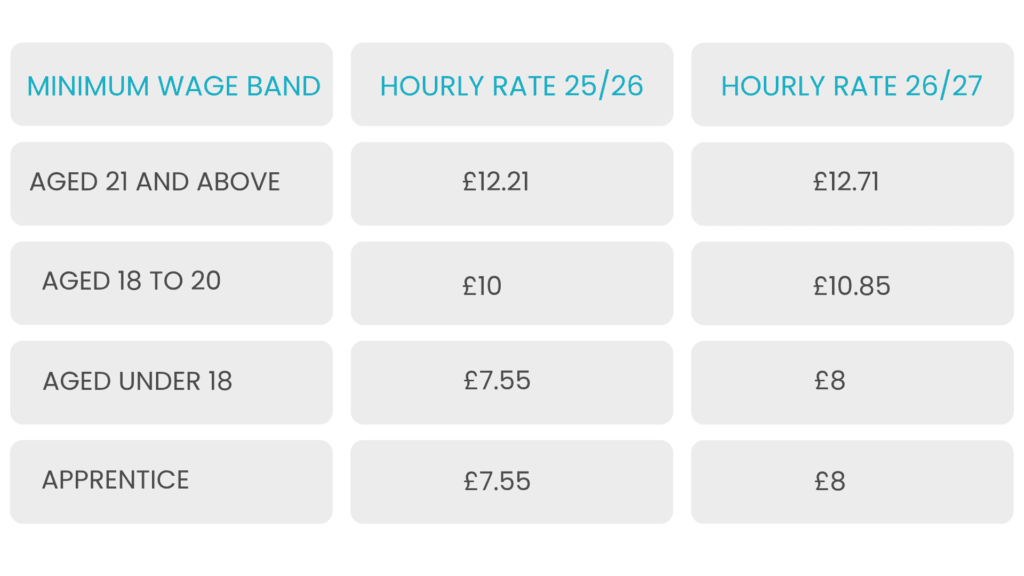
As a nanny employer, you have a legal obligation to be compliant with this change.
Do I need to pay my nanny national minimum wage? Yes, you are legally required to pay your nanny at least that National Minimum Wage / National Living Wage. Click here to find out more.
4. Changes to Statutory Sick Pay (SSP)
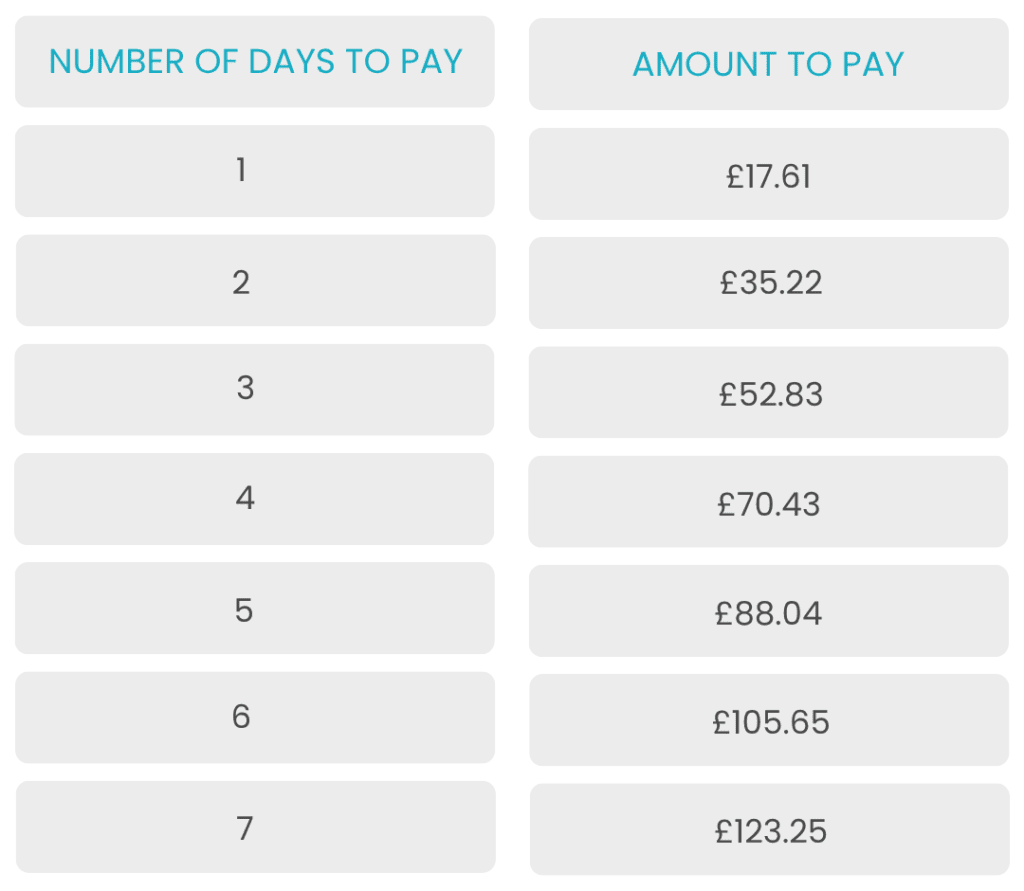
From April 2026, Statutory Sick Pay (SSP) will be paid from the first day of illness, instead of the fourth day.
- Currently, employers don’t have to pay SSP for the first three days of sickness absence (these are called “waiting days”). So if your employee is sick for 2 or 3 days, they won’t currently receive any SSP.
- From April 2026, that three-day waiting period is removed. This means that employees will start receiving sick pay on day one of their absence.
The Lower Earnings Limit (LEL) will also be removed, so minimum earnings requirements for statutory payments will no longer apply.
- For example, in the current tax year to qualify SSP, an employee must earn at least £125 gross per week. If an employee earns £100 gross per week, they are not entitled to SSP.
- From April 2026, the Lower Earnings Limit will be removed. This means all employees, even those earning under £125 gross per week, will be entitled to Statutory Sick Pay (SSP).
The weekly rate of statutory Sick Pay (SSP) will be £123.25 or 80% of the employee’s average weekly earnings, whichever is lower.
5. Accommodation Offset Allowance Increase
If your nanny is living with you and you are operating the accommodation allowance, in line with National Minimum wage, the below rates will increase from April 2026:
- The Daily accommodation offset rate: from £10.66 to £11.10
- The Weekly accommodation offset rate: from £74.62 to £77.70
For full details of all the new tax year changes, please click the button below.
How can Nannytax help?
If you have any questions about any of these changes you can email us at hello@nannytax.co.uk or call us on 020 3137 4401, we’ll be happy to help.